This article contains affiliate links. If you buy through them, I may earn a commission at no extra cost to you. Full disclosure.
Claude Code vs OpenCode Go: Which is Cheaper for Client Work?
Claude Code vs OpenCode Go: an honest cost comparison. $100+ subscriptions vs $10/mo hosted models like DeepSeek v4 Flash — and when cheap stops being cheap.

I’ve been shipping client websites for over a decade. For the past year I was a heavy Claude user — the whole suite, Max x5 plan, Claude Design, all of it. Then I started doing the math. $100 a month plus VAT, and heavy sessions on the top models burned through my allowance fast enough that I kept one eye on the meter. So I switched to OpenCode Go and spent a few weeks working through its lineup — DeepSeek v4 Flash, Kimi K3, GLM-5.2, Grok 4.5. It changed how I think about the money.
Heads up: the link below is an affiliate link. If you buy through it, I may earn a commission at no extra cost to you. This is how this site stays free.
The short version
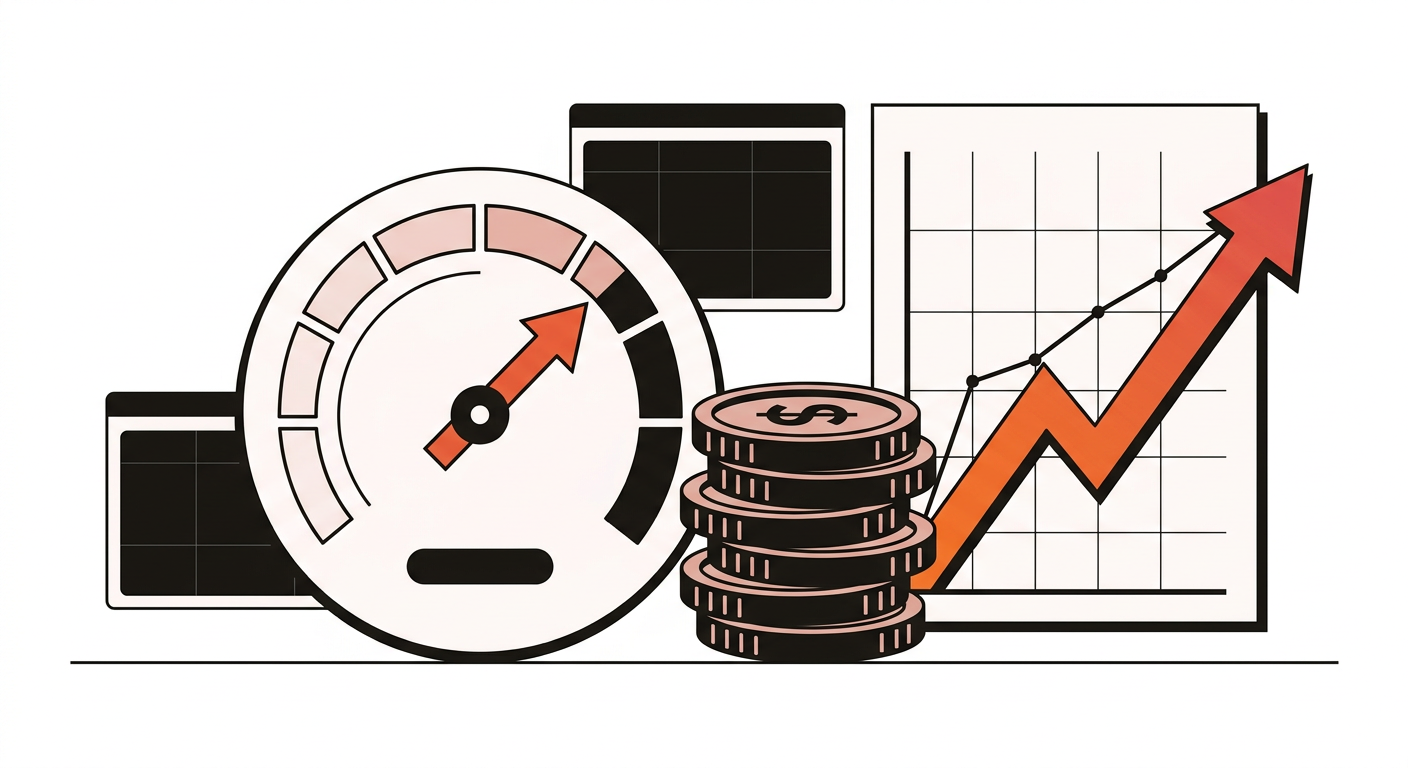
Think of a subscription as a fixed bill, and usage-based pricing as a bill that moves with how much you work. The fixed bill has a ceiling — you know the worst case before you start. The moving bill has a floor, and no ceiling at all.
Claude Code is the better tool, no contest. Smarter, more autonomous, vision on every model, remote control and Claude Design bundled in. I trust it with long multi-file jobs and I don’t have to hover over it. The problem is the shape of the bill — $100 a month whether I work one hour or fifty, and my usage anxiety was real.
OpenCode Go is the better deal for anyone whose usage is light to moderate. $10 a month ($5 for the first month) for DeepSeek v4 Flash — which in my tests matches Opus 4.8 on complex coding work, minus the rambling — is the best value I’ve found in the category. It’s my daily driver now. But it comes with a dilemma I didn’t expect: DeepSeek can’t see images, and the moment I need a model that can, cheap stops being cheap.
OpenCode Go vs Claude Code: how to think about the cost
Let me give you the framework I wish someone had given me, because I spent a while on spreadsheet anxiety before it clicked.
- A subscription is a cost ceiling. Claude Max is $100 a month, plus VAT where I live. You know the worst case before you start — that’s the whole point of a subscription. The flip side: you can’t spend less by using less. The ceiling is also the floor.
- OpenCode Go is a cost floor. $10 a month. Everything above that depends on how you use it — which model, how many sessions, how heavy.
- OpenCode Zen is the wildcard. You pay per token, like an electricity bill: the more you run, the more you pay, and there’s no cap.
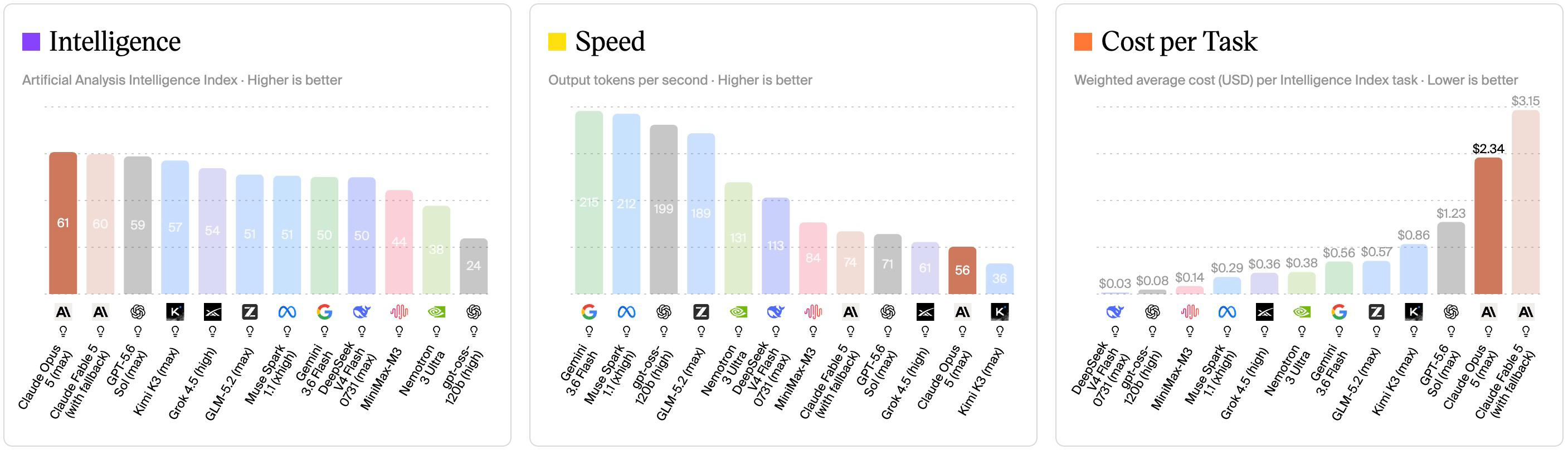
Now the part that surprised me: the cheaper the model, the more limited it is. Think of the lineup as a ladder.
- DeepSeek v4 Flash — text-only, dirt cheap, the best reasoner in my rotation. My daily driver.
- MiniMax M3 — can look at images, but its thinking slips on hard refactors.
- Kimi K3 — can see and think, slightly behind Opus 5 and Fable 5 in my tests. But it’s slow, and eats up your limits fast.
- Claude’s models — vision on all of them, flat price.
The vision question is where this gets real. I can’t send DeepSeek v4 Flash a screenshot of a broken layout and have it tell me what’s wrong. It’s like having a brilliant colleague who only answers emails: great, until you need them to actually look at something. To get vision at a decent quality, I have to step up to Kimi K3. That turns into meter-watching, which turns into “maybe I should move to OpenCode Zen and pay per token for Kimi K3 or Qwen 3.8 Max.”
And that’s where cheap stops being cheap. Heavy use of the capable model, billed per token, can land above the $112 subscription I was escaping. The ceiling I gave up was protecting me from exactly that.
What Claude Code is good at
Claude Code is the agent I trust with the jobs that make me nervous: complex architecture, legacy systems, and the days when I’d rather not think.
Strengths
- Autonomy that holds up on real tasks. Long, multi-file jobs — theme restructures, plugin migrations, refactors that touch forty files — are exactly what it was built for. It’s the most reliable harness I’ve used.
- Remote control. Works out of the box. No server tunnels, no fiddling.
- Auto mode. An AI assistant reviews and approves the main agent’s commands, so you’re not clicking accept every two minutes.
- Vision on every model. Sounds minor until you’ve tried explaining a broken layout to a model that can’t see it.
- Projects and memory. It remembers past sessions and project quirks. I use CLAUDE.md less these days.
- Claude Design. Ships with the subscription. Graphics, widgets, and client presentations, all in one place.
Weaknesses
- The ceiling is also the floor. $100 plus VAT a month whether you use it lightly or not. I never ran out on Max x5, but I watched the meter anyway — especially on Fable 5 or Opus 5 at ultracode effort.
- Vendor lock-in. Sub-agent workflows, hooks, schedules — they only work inside Anthropic’s harness.
- The data question. Your code goes to Anthropic. Fine for most client work, awkward when clients have NDAs.
What OpenCode Go is good at
OpenCode Go is the same kind of agent pointed at a roster of cheap hosted models. Nothing runs on your machine, and that’s the appeal — you get open-weight prices without owning a GPU.
One thing to clear up: not everything on the roster is open-weight. GPT 5.6 Luna is OpenAI’s model, fully proprietary. The license matters less than you’d think, though. The price is why you’re here, and the price is the story.
Strengths
- The floor is $10. Not $100. For light to moderate use, the two are different universes. This alone is why I switched.
- DeepSeek v4 Flash. Fast, unbelievably cheap, on par with Opus 4.8 on complex coding work in my tests. My daily driver for client work and personal projects alike.
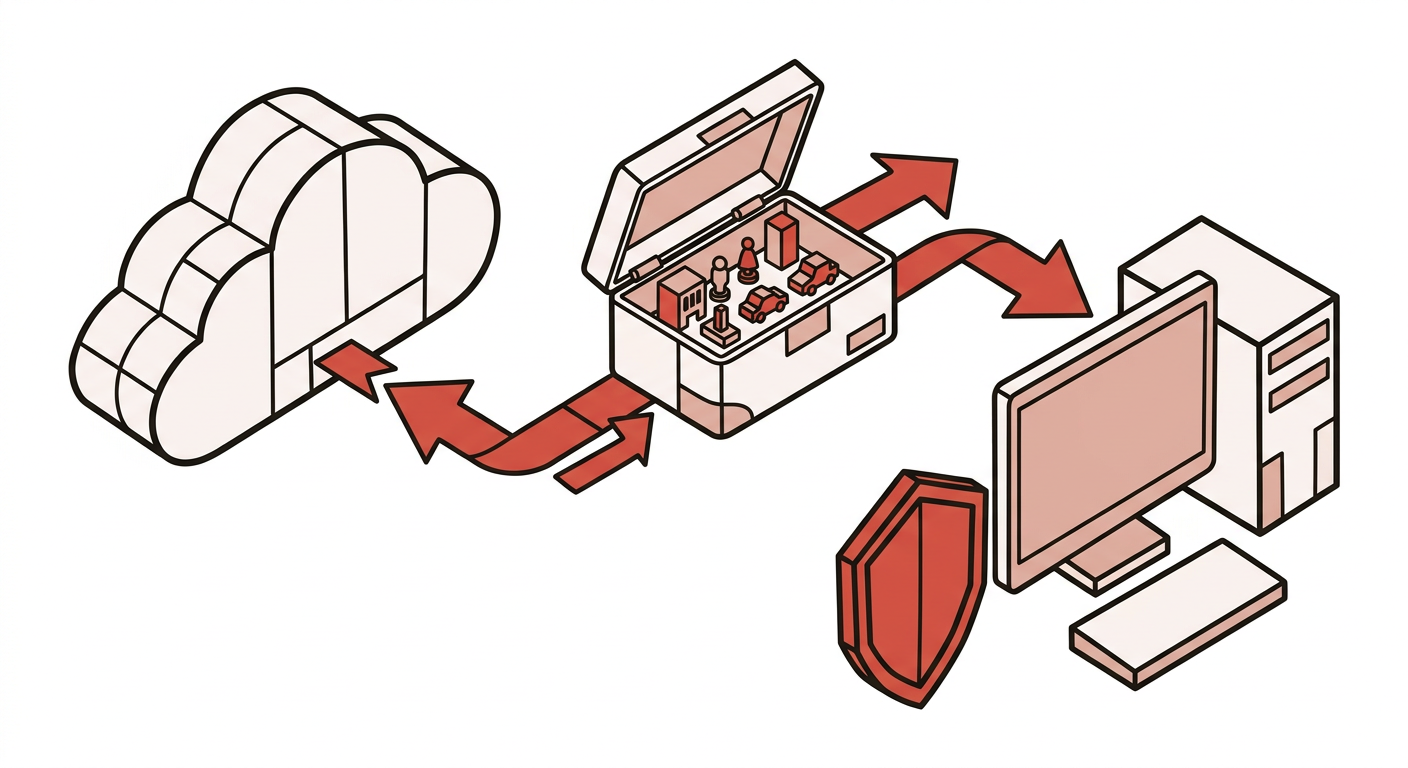
- No lock-in. Open weights are portable — switch providers, self-host, fine-tune, keep them forever. Your tooling can’t hold your sites hostage.
- Privacy on demand. If a client’s NDA rules out third-party hosting, you can run the same open weights on your own hardware. I don’t do this day to day, but the exit ramp exists.
Weaknesses
- No single model does everything. Back to the vision dilemma: cheap models can’t see, multimodal models cost more or think worse, and nothing on the roster matches Claude’s default vision.
- Limits on the capable models. The more capable models turn the $10 floor back into a meter you have to watch.
- More babysitting. OpenCode has plan and build modes and that’s it, so I approve permissions more often than I’d like. It’s like Claude Code from a couple of versions ago.
- No hands-off development. Remote control exists but it’s self-hosted — you run
opencode weboropencode serveyourself, add a password, and manage the network. Nothing like Claude’s remote, which just works from your phone.
| Criteria | Claude Code | OpenCode Go |
|---|---|---|
| Price | $100/mo Max + VAT; fixed | $10/mo (first month $5); fixed |
| Cost shape | Ceiling — known worst case | Floor — shaped by model and limits |
| Multimodal | Built-in on every model | Depends on the model — DeepSeek is text-only |
| Agentic capability | Excellent — the benchmark | Good but needs more hand-holding |
| Limits | Weekly; anxiety on heavy use | Monthly; capable models burn fast |
| Remote control | Out of the box | Self-hosted (`opencode web`); needs setup |
| Privacy | Code sent to Anthropic | Code sent to OpenCode + model providers; self-host the weights if needed |
| Lock-in | Anthropic models + pricing | None — open weights are portable |
The honest verdict
Pick by the shape of your usage, not by benchmarks.
- If money matters and your usage is light to moderate, OpenCode Go wins, and it’s not close. $10 for DeepSeek v4 Flash is the best deal in the category. Keep your workflow text-friendly and you’ll save hundreds a year.
- If your days are heavy, agentic, and full of screenshots, the Claude subscription is a ceiling that protects you. It also buys back time — auto mode, remote control, no permission-clicking — and time is what the cheaper tool spends.
- The trap is the middle. Cheap tool, capable model, heavy usage: a bill that moves with your week and can end up above the subscription you left. That’s the real warning here.
In my case, I couldn’t justify a $100 + $12 VAT monthly plan anymore, so I switched to OpenCode Go. I kept the mental model: the day my usage flips to heavy Kimi K3 work, the math flips with it, and Claude gets another look.
Where to start
- Try OpenCode Go for a month ($5 for the first month) alongside what you already have. Push the boring 90% through DeepSeek v4 Flash and watch what your monthly number does.
- Check vision first. If your week involves screenshots, DeepSeek won’t do it — budget for Kimi K3 or keep Claude for the visual tasks.
- If you’re a heavy agentic user, stay on Claude. The fixed price buys autonomy and no meter-watching. That’s what you’re paying for.
_This article is part of my AI coding hub. For more on building and shipping with modern tools, see the build hub or the hosting hub.
Frequently asked questions
Which is cheaper, Claude Code or OpenCode Go?
OpenCode Go, decisively, for light to moderate use — $10 a month versus $100 plus VAT. The gap narrows the harder you lean on it: capable multimodal models like Qwen 3.8 Max burn through monthly limits, and OpenCode Zen's per-token billing has no ceiling. Model choice decides the real number.
Can I use both Claude Code and OpenCode Go?
Yes, and it's the best setup for many freelancers. Keep Claude Code for long multi-file jobs where autonomy saves hours, and let OpenCode Go handle the volume — boring refactors and boilerplate where DeepSeek v4 Flash is plenty. Two subscriptions still cost less than one heavy Claude plan.
What are the best models in OpenCode Go?
It's subjective, but my favorite models in rotation are: DeepSeek v4 Flash, GPT 5.6 Luna, Qwen 3.8 Max, and Kimi K3.
How fast do OpenCode Go limits run out?
It depends on the model, not the session count. DeepSeek v4 Flash for example provides 31,650 requests per 5 hours of usage, while Kimi K3 only provides 110 requests. If your day is screenshots and long agentic runs, you'll either watch the meter or top up credits.

Keep reading
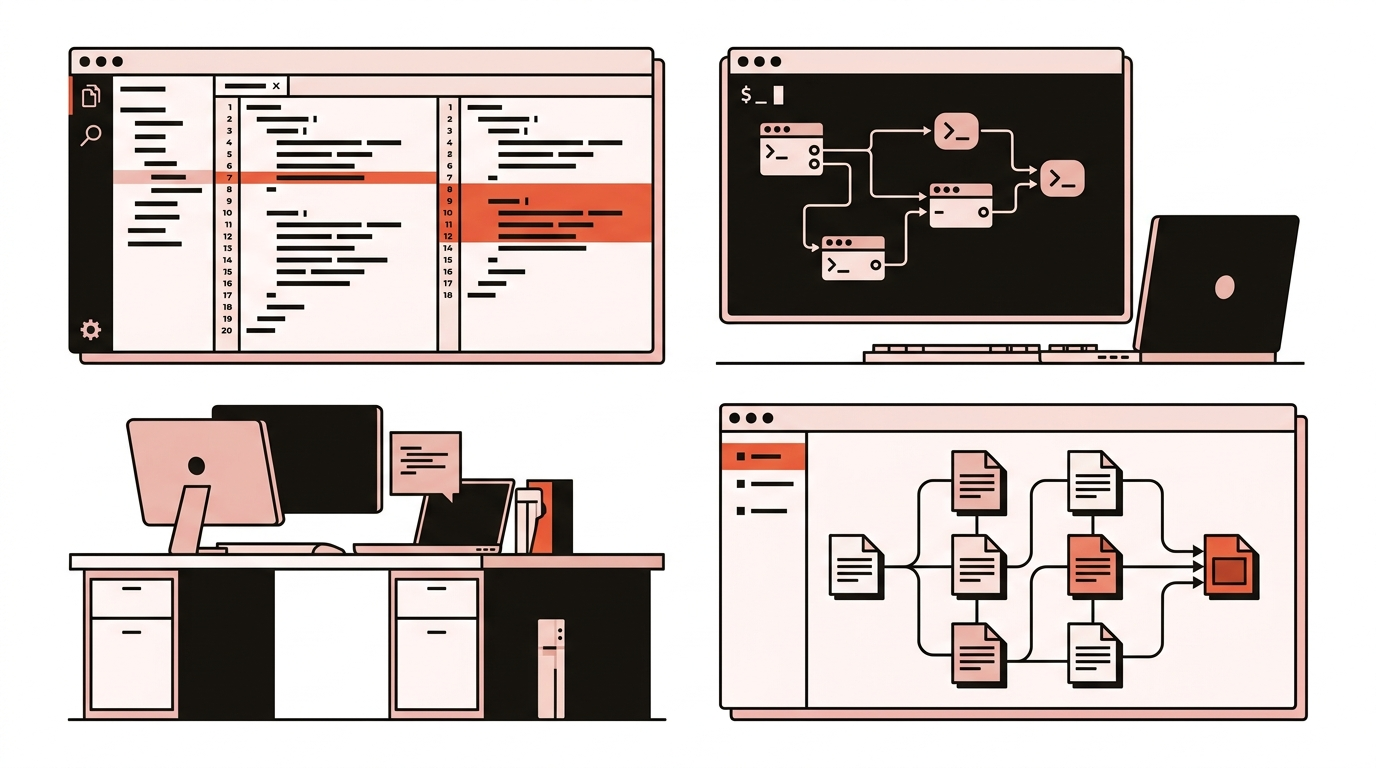
Cursor vs Claude Code vs Windsurf: Which AI Tool Actually Ships Client Work?
Cursor vs Claude Code vs Windsurf: an honest comparison for freelancers. Discover which AI coding tool actually ships production client work in 2026.
Coolify on Hetzner vs Cloudways: The $5/mo VPS vs Managed Cloud for Client Sites
Coolify on Hetzner vs Cloudways: an honest cost and ops breakdown. $5/mo self-hosted VPS vs managed cloud for client sites, and when self-hosting bites.
Comments